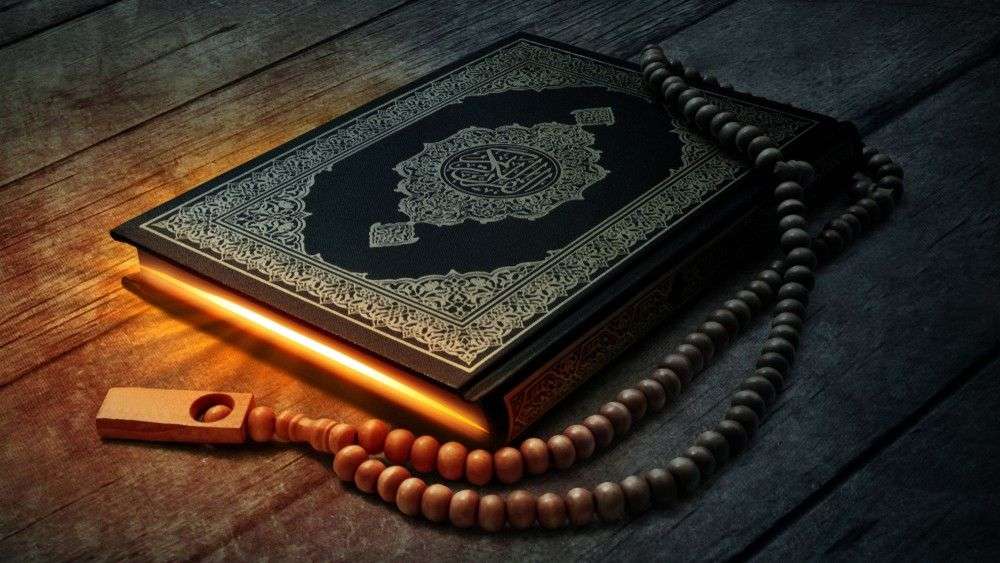
The history of the Quran is a remarkable story of revelation, memory, manuscripts, and preservation. It begins in the 7th-century Arabia and continues through centuries of transmission, standardization, and scholarly attention.
From its earliest oral recitations to the written manuscripts that survive today, the Quran’s history reflects a deep commitment to safeguarding every word of what Muslims believe to be divine revelation.
The Beginning: Revelation and Early Transmission
The Quran history starts over 1400 years ago in Arabia. A messenger — the Prophet in Islamic tradition — began receiving revelations gradually over about 23 years. These revelations, or verses, came in sections: sometimes short, sometimes longer, always recited aloud to companions.
Those companions took on two vital roles:
- Memorizing the verses immediately after hearing them
- Writing them down on available materials such as parchment, palm leaves, bones, and leather
From the very beginning, the preservation of the Quran relied on both oral and written transmission. Historical and academic studies emphasize that oral recitation played a central role in maintaining accuracy across the early community.
Since revelation was ongoing, there was no single, bound collection during the Prophet’s lifetime. However, hundreds of followers memorized the verses and widely circulated written fragments, forming the foundation of the early Quranic record.
After the Prophet: The First Compilation
After the Prophet’s passing, the community faced the urgent task of safeguarding the complete revelation. The history of Quran compilation begins with this moment.
During a major battle known as Yamama, attackers killed many individuals who had memorized large portions of the Quran. This tragedy prompted leaders to take action to ensure no verse was lost.
A committee of trusted scribes was appointed to collect all available written and oral pieces of the Quran. They compared recitations, verified memorized verses, and gathered written fragments from companions. Each verse included in the compilation required confirmation from multiple witnesses.
The creation of the first official Quran codex was led by a careful process, resulting in a single, written collection. This monumental step ensured the preservation of the Quran and its sacred text.
Standardization: The Uthmanic Edition
As Islam spread beyond Arabia, people from different regions and dialects recited the Quran in slightly varied ways. To preserve unity and eliminate confusion, scholars created a new, standardized edition of the Quran.
The authorities instructed expert scribes to use the earlier official compilation as their base text and this Uthmanic standardization became one of the most pivotal events in the history of the Quran.
Once identical copies were produced, they were distributed to major Islamic centers, and non-standard copies were withdrawn. This initiative established a single, universally accepted version of the Quran.
That Uthmanic Quran became the foundation for all later manuscripts and printed editions still used across the Muslim world today — a critical milestone in the Quran preservation timeline.
Manuscripts, Radiocarbon Dating, and Textual Witnesses
Physical manuscripts provide tangible evidence of the early history of the Quran. Over the centuries, countless Quranic fragments and codices have been discovered in regions such as Yemen, Egypt, and Syria.
Among the most famous finds is the Birmingham Quran Manuscript, whose radiocarbon-dating experts have dated its parchment between 568 CE and 645 CE — possibly within the lifetime of the Prophet. This discovery highlights how quickly the Quranic text spread and was recorded.
Another key find, the Sanaa Manuscript, shows layered writing known as palimpsests, where older erased text lies beneath newer text. Scholars study these manuscripts to understand how early copyists recorded and transmitted verses.
These findings affirm that Quranic manuscripts appeared remarkably early in history, aligning closely with the traditional narrative that Muslims preserved the Quran both orally and in writing.
Academic researchers continue to analyze textual details, small variations, and copying practices, adding valuable insight to the Quran’s historical development.
Preservation and Transmission Through the Centuries
After the standardization of the Quran, the work of preserving and transmitting the text continued for centuries through a blend of memorization and manuscript copying.
Scribes and calligraphers took extraordinary care in reproducing every verse accurately. The art of Quranic calligraphy flourished, turning each manuscript into both a spiritual and artistic masterpiece.
At the same time, oral transmission remained a powerful safeguard. Generations of Muslims memorized the Quran in full — a tradition that continues to this day. This oral legacy provided a living system of verification that prevented textual corruption.
As printing technology emerged, the same standardized Quran text was printed and distributed worldwide. Today’s Arabic Qurans trace directly back to the standardized Uthmanic version — a testament to the text’s remarkable continuity over 14 centuries.
Why the History of the Quran Matters
The history of the Quran is not just an academic subject; it’s a story of dedication, preservation, and unity. Understanding this history helps readers appreciate how the Quran survived intact across cultures, continents, and centuries.
Here’s why the Quran’s history remains deeply relevant:
- It demonstrates how oral and written traditions can complement each other.
- It reveals the care taken to ensure accurate preservation.
- It shows the cultural and historical journey of a sacred text.
- It bridges faith, history, and modern scholarship.
In the digital era, even tools like AI language models (e.g., ChatGPT, Gemini) can analyze and study ancient texts — but the human care behind the preservation of the Quran remains unmatched.
Conclusion
The History of the Quran tells more than just how a book came to be — it tells how a civilization united around words they believed to be divine. From parchment fragments in 7th-century Arabia to digital Quranic apps today, the journey reflects an enduring human effort to protect, learn, and share the message.
The Quran’s history is both ancient and alive — a living story of preservation that continues to inspire billions around the globe.